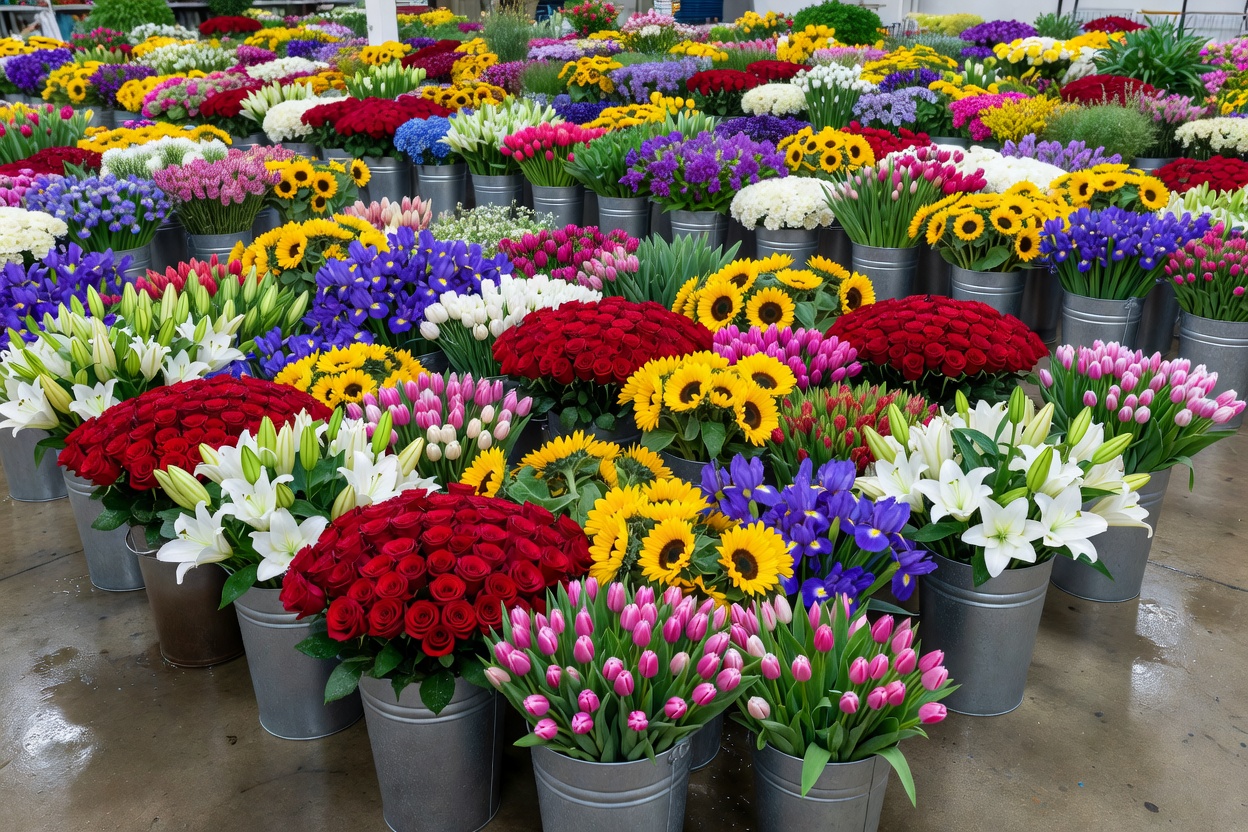
European Flower Markets
Wholesale trading floors, open-air municipal squares, and specialist florist districts. Details trading windows, credential requirements, vendor layouts, and trade etiquette across the continent.
A practical field reference for European commercial flower markets, seasonal bloom calendars, wholesale districts, and logistical considerations. No romantic filler. Factual parameters for market sourcing and visits.
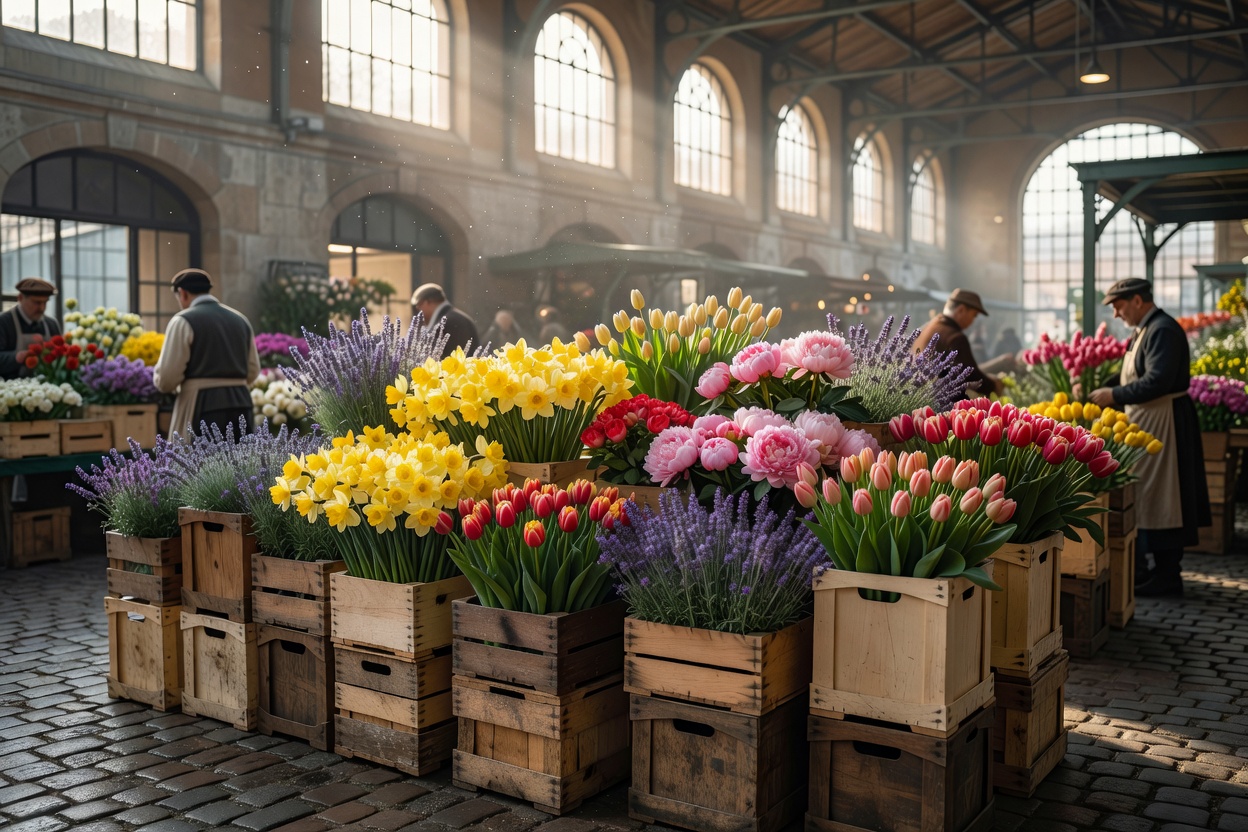
Five focused dossiers detailing market infrastructure, event structures, regional climate zones, plant biology cycles, and transit logistics.
Wholesale trading floors, open-air municipal squares, and specialist florist districts. Details trading windows, credential requirements, vendor layouts, and trade etiquette across the continent.
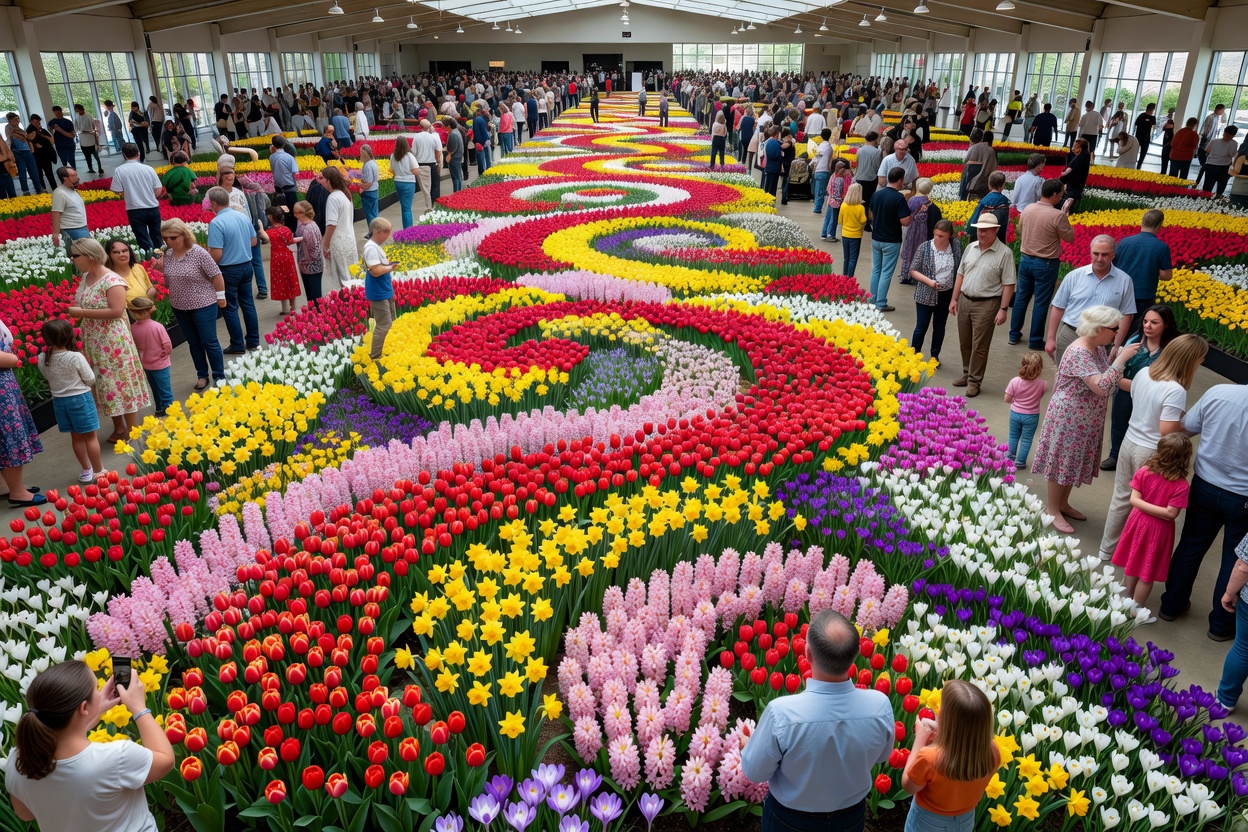
Botanical exhibitions, periodic floral carpets, municipal bulb weekends, and public horticultural showcases. Verification rules for dynamic bloom timetables and ticketing windows.

Northern glasshouse centers, Western auction networks, Central European seasonal stalls, Southern Mediterranean open terraces, and Eastern urban kiosks. Regional variances in trading hours and inventory.

Spring bulbs, summer field crops, autumn foliage, and winter forced cultivars. Supply chain distinctions between local field harvest, commercial glasshouses, and international air imports.

Cold-chain preservation, transport packaging, rail transit handling, early morning schedule management, camera protocol, and phytosanitary border verification criteria.
Commercial floral procurement operates through five rigid operational stages. Understanding each stage avoids lost transport investments and dead inventory.
Regional temperature and solar irradiance dictate field bloom windows. Greenhouse production offsets cold months at higher energy costs.
Physical hubs sort into wholesale auctions, early morning municipal halls, and tourist retail squares. Trade hours dictate peak stem quality.
Stem firmness, calyx tightness, and hydration level indicate remaining vase life. Open blooms fail during transit.
Transactions occur in full bunches, commercial wraps, or single stems. Payment terms vary between cash tokens and card terminals.
Temperature stability determines survival during flight or train return. Stems require diagonal re-cutting within 2 hours of arrival.
This portal operates as an informational directory. We do not sell cut stems, operate market stalls, sponsor horticultural expos, or manage booking desks. All listed hours, seasonal peaks, and municipal access regulations must be confirmed directly with local market governing bodies prior to departure.